Hotel

Meals

Transport

Special Itinerary

Sightseeing
Galleary
Two Sacred Shrines, Two Completely Different Himalayan Experiences
Kedarnath (rugged Shiva pilgrimage) → Badrinath (peaceful Vishnu sanctuary)
Tour Overview
Rajasthan to Himalayas Pilgrimage Journey for Kedarnath & Badrinath Darshan
- Start Point : Jaipur
- End Point : Jaipur
- Duration : 07 Nights / 08 Days
- Route : Jaipur → Delhi → Haridwar → Guptkashi → Kedarnath → Badrinath → Rudraprayag → Delhi → Jaipur
This Do Dham Yatra from Jaipur is designed for travelers who want to experience the powerful spiritual contrast between Kedarnath and Badrinath while also enjoying the feeling of a long-format Himalayan road expedition from Rajasthan. Unlike quick pilgrimage plans that focus only on temple coverage, this journey creates a layered experience where the route itself becomes equally memorable as the destinations.
The pilgrimage begins from Jaipur’s fast-moving urban environment and gradually shifts into the slower rhythm of Uttarakhand’s river valleys and Himalayan landscapes. Over the course of the journey, travelers move through multiple geographical worlds , highways, sacred river towns, mountain forests, glacier-fed valleys, and remote temple regions , creating a travel experience that feels expansive rather than repetitive.
What makes this route emotionally distinct is the contrast between the two Dhams. Kedarnath delivers intensity, endurance, and raw Himalayan energy through its demanding trek and dramatic mountain setting, while Badrinath offers a calmer and more reflective spiritual atmosphere surrounded by broader valleys and peaceful alpine scenery.
Why This Jaipur Do Dham Journey Feels Different
- Designed as a long-distance spiritual road expedition from Rajasthan
- Balances physically intense pilgrimage with calmer recovery segments
- Combines trekking, mountain travel, and sacred temple exploration
- Creates a strong contrast between Kedarnath and Badrinath experiences
- Structured to avoid rushed transitions between destinations
- Ideal for travelers seeking both devotion and Himalayan immersion
🚌 Tour Itinerary
Day 1 : Jaipur → Delhi → Haridwar (500 km | 10–11 hrs)
+The pilgrimage begins with a long overland journey from Jaipur towards Uttarakhand. Unlike mountain tours that start directly in hill regions, this route allows travelers to experience a gradual geographical and emotional transition. The dry landscapes and highways of Rajasthan slowly give way to the greener plains of North India before eventually reaching the sacred atmosphere of Haridwar.
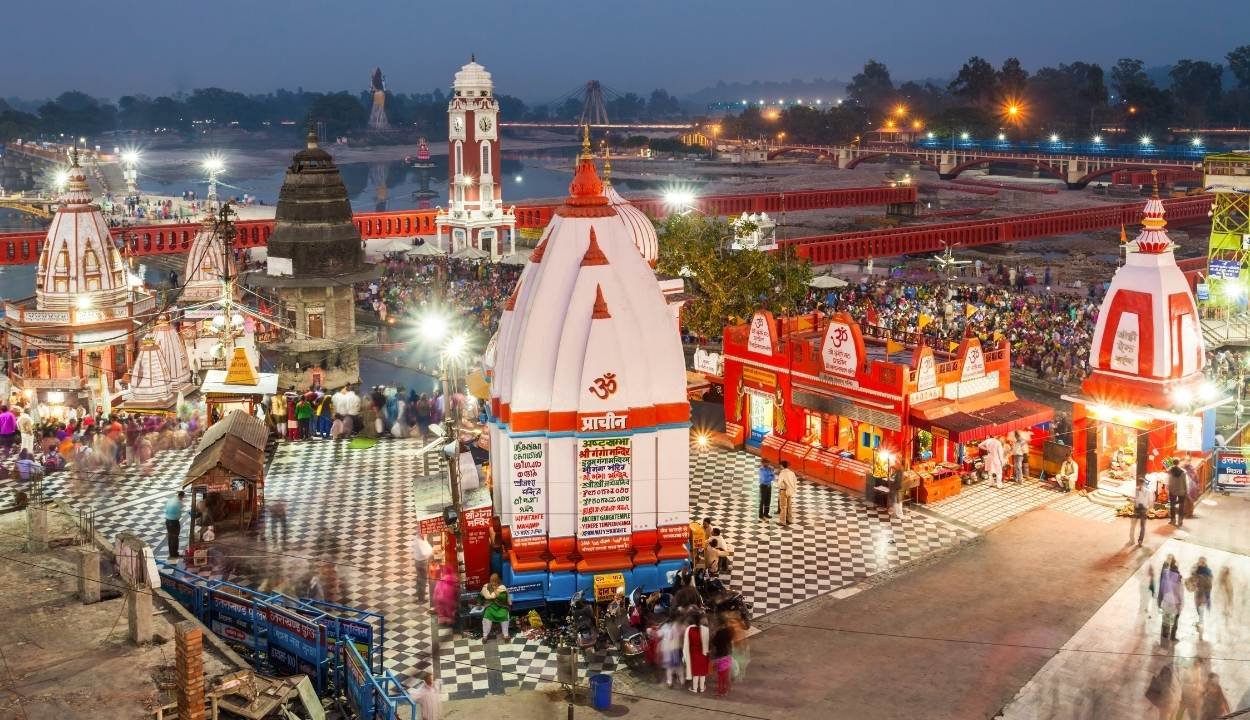
As evening approaches, the environment around Haridwar feels noticeably different from the cities left behind earlier in the day. Temple bells, the sound of flowing Ganga water, and the devotional energy near the ghats create the first true spiritual connection of the journey.
Highlights
- Cross-state pilgrimage road journey
- Transition from Rajasthan to Uttarakhand
- Sacred atmosphere of Haridwar
- Evening near Ganga ghats
Meals & Stay: Dinner and overnight stay in Haridwar
Day 2 : Haridwar → Guptkashi (210 km | 8–9 hrs)
+This day marks the real beginning of the Himalayan section of the yatra. The roads begin climbing steadily into the Garhwal region, where every few hours the scenery changes dramatically. Wide roads turn into mountain bends, plains transform into valleys, and the temperature gradually becomes cooler as altitude increases.
Unlike standard tourist highways, this route feels deeply connected to nature. Travelers pass through river confluences, forest-covered stretches, and remote mountain settlements that make the journey feel immersive and expansive. By the time you reach Guptkashi, the environment feels quieter, colder, and spiritually more intense due to its proximity to Kedarnath.
Highlights
- Entry into Garhwal Himalayan region
- Scenic river valley drive
- Sacred confluence landscapes
- Arrival near Kedarnath base zone
Meals & Stay: Dinner and overnight stay in Guptkashi
Day 3 : Guptkashi → Kedarnath (30 km drive + 18 km trek)
+This becomes the defining day of the entire pilgrimage. The journey starts early as you travel towards Gaurikund, the starting point for the Kedarnath trek. Unlike regular trekking routes designed purely for adventure, this trail feels spiritually charged because every section is filled with pilgrims moving toward one of India’s most sacred Shiva shrines.
The path climbs steadily through waterfalls, rocky terrain, steep ascents, glacier-fed streams, and constantly shifting weather conditions. Helicopter services and pony options are available, but many travelers still choose to complete the route on foot because the physical effort itself becomes part of the spiritual experience.
The moment Kedarnath Temple appears against the backdrop of towering snow-covered mountains creates an atmosphere that feels overwhelming, silent, and deeply emotional all at once.
Highlights
- Kedarnath trek or helicopter option
- High-altitude Himalayan pilgrimage
- Visit Kedarnath Temple
- Dramatic snow mountain surroundings
Meals & Stay: Overnight stay in Kedarnath
Day 4 : Kedarnath → Guptkashi
+The return journey from Kedarnath feels entirely different from the ascent. The pressure of reaching the temple disappears, allowing travelers to experience the mountain surroundings more calmly while descending through the same rugged Himalayan terrain.
Early morning darshan at Kedarnath often becomes one of the most memorable spiritual moments of the entire yatra because the atmosphere feels quieter and more intimate before larger crowds gather. After descending back towards Gaurikund, you continue to Guptkashi for rest and recovery after the physically demanding trek.
Highlights
- Early morning Kedarnath darshan
- Scenic Himalayan descent
- Emotional completion of trek
- Recovery-oriented evening at Guptkashi
Meals & Stay: Dinner and overnight stay in Guptkashi
Day 5 : Guptkashi → Badrinath (190 km | 8 hrs)
+After the rugged and physically intense Kedarnath segment, the route towards Badrinath introduces a calmer and more visually open Himalayan atmosphere. The roads pass through wider valleys and alpine stretches while the journey through Joshimath creates a scenic transition into the Vishnu pilgrimage region.
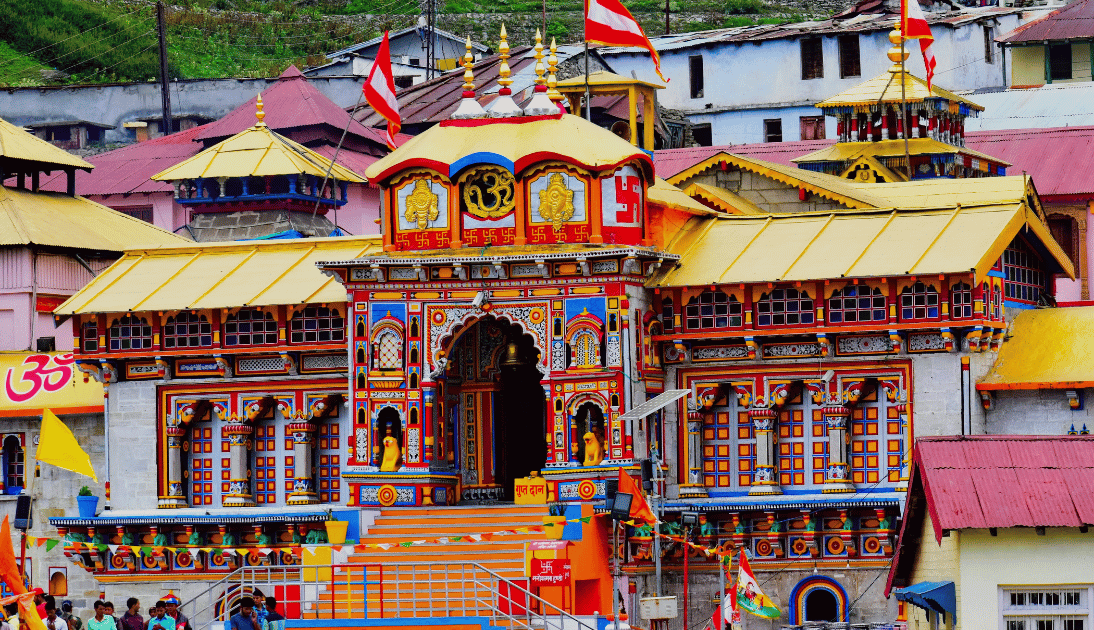
Unlike Kedarnath’s raw mountain energy, Badrinath feels spiritually softer and more structured. Upon arrival, pilgrims visit Badrinath Temple and may also experience Tapt Kund, the natural hot water spring located near the shrine. The surrounding landscapes feel expansive and peaceful, creating a completely different emotional tone compared to earlier days.
Highlights
- Scenic drive via Joshimath
- Visit Badrinath Temple
- Experience Tapt Kund
- Peaceful alpine Himalayan environment
Meals & Stay: Dinner and overnight stay in Badrinath
Day 6 : Badrinath → Rudraprayag (160 km | 6 hrs)
+This segment of the pilgrimage feels slower and more reflective. After completing both sacred Dhams, travelers usually begin shifting from physical effort toward emotional processing of the journey.
The drive towards Rudraprayag passes through scenic valleys and river landscapes while gradually descending from higher Himalayan terrain. Rudraprayag itself holds spiritual importance because of the confluence of the Alaknanda and Mandakini rivers, creating a peaceful stop before re-entering the plains.
Highlights
- Morning Badrinath darshan
- Scenic Himalayan descent
- Visit Rudraprayag confluence
- Relaxed recovery-focused travel day
Meals & Stay: Dinner and overnight stay in Rudraprayag
Day 7 : Rudraprayag → Delhi (350 km | 10 hrs)
+This long return drive marks the gradual exit from the Himalayan region. The mountain roads slowly begin disappearing as the route reconnects with broader highways and urban landscapes.
Unlike the excitement of the initial days, this stretch often feels more introspective. Travelers usually spend the journey reflecting on the temples visited, the physical endurance required for Kedarnath, and the changing Himalayan environments experienced throughout the pilgrimage.
Highlights
- Final Himalayan road journey
- Scenic drive through Uttarakhand plains
- Reflection on pilgrimage experiences
- Arrival back in Delhi
Meals & Stay: Dinner and overnight stay in Delhi
Day 8 : Delhi → Jaipur (280 km | 5–6 hrs)
+Your final day completes the return journey back to Jaipur. After traveling across sacred rivers, mountain valleys, glacier-fed regions, and high-altitude temples, the return to Rajasthan feels emotionally different from the departure.
The pilgrimage concludes not only as a completed travel route but as a journey that combined devotion, endurance, mountain exploration, and spiritual immersion across some of North India’s most sacred Himalayan landscapes.
Highlights
- Return to Jaipur
- Completion of Do Dham pilgrimage
- End of Himalayan spiritual expedition
Meals: Breakfast
₹ Price Details
Trip Highlights
- Gangotri Temple Darshan
- Kedarnath Temple Visit
- Badrinath Temple Darshan
- Scenic Himalayan Drives
- Kedarnath Trek Experience
Package Exclusions
- Airfare / train tickets
- Helicopter tickets
- Pony / Palki charges
- VIP darshan fees
- Personal expenses
- Medical expenses
- Anything not mentioned
Package Includes:
- Hotel accommodation
- Breakfast & Dinner
- Private taxi
- Sightseeing
- Driver allowance
- Fuel, toll & parking
- All taxes
❓ Do Dham Yatra FAQs
Q1. Is this Do Dham Yatra suitable for travelers coming directly from Rajasthan?
−Ans. Yes, this itinerary is specifically structured for travelers beginning from Jaipur and nearby Rajasthan regions. The route allows a gradual transition into Himalayan terrain instead of immediately starting with high-altitude travel, making the overall experience smoother and more immersive.
Q2. How physically demanding is this journey?
+Ans. The most physically demanding segment is the Kedarnath trek, which involves steep mountain terrain and long walking distances. Apart from that, travelers should also be prepared for extended road journeys through winding Himalayan routes. Proper rest, hydration, and comfortable pacing are important throughout the pilgrimage.
Q3. Which Dham feels more peaceful , Kedarnath or Badrinath?
+Ans. Most travelers describe Badrinath as calmer and more serene because of its broader valley setting and easier accessibility. Kedarnath, on the other hand, feels more intense and emotionally powerful because reaching the temple itself requires physical endurance and mountain trekking.
Q4. Are helicopter services available for Kedarnath?
+Ans. Yes, helicopter services operate from locations such as Phata, Guptkashi, and Sersi depending on weather and seasonal conditions. Many senior citizens and travelers with limited physical stamina choose this option for a more comfortable pilgrimage experience.
Q5. What kind of weather conditions should travelers expect?
+Ans. Weather conditions can vary significantly during the journey. Haridwar and lower regions may remain warm, while Kedarnath and Badrinath can become extremely cold, especially during mornings and evenings. Sudden rain and temperature drops are also common in mountain areas.
Q6. Is this itinerary suitable for first-time Himalayan pilgrims?
+Ans. Yes, this route works well for first-time Himalayan travelers because the progression into higher-altitude regions happens gradually over multiple days. The itinerary also includes recovery-oriented segments between physically intense experiences like the Kedarnath trek.
Q7. Can the itinerary be customized further?
+Ans. Yes, travelers can customize accommodations, transport categories, helicopter services, additional rest days, and meal plans according to budget and comfort preferences. Private customized departures are also possible for families and groups.
Confirmation Policy
Lorem ipsum dolor sit amet consectetur adipisicing elit. Sit, saepe architecto! Ipsum, voluptatem repellat sequi mollitia explicabo laboriosam at in.
- Kedarnath Temple Darshan
- Spiritual Himalayan Experience
- Scenic Trek to Kedarnath
- Peaceful Environment & Divine Vibes
- Comfortable Taxi Travel
Cancellation Policy
Lorem ipsum dolor sit amet consectetur adipisicing elit. Sit, saepe architecto! Ipsum, voluptatem repellat sequi mollitia explicabo laboriosam at in.
- Kedarnath Temple Darshan
- Spiritual Himalayan Experience
- Scenic Trek to Kedarnath
- Peaceful Environment & Divine Vibes
- Comfortable Taxi Travel
Refund Policy
Lorem ipsum dolor sit amet consectetur adipisicing elit. Sit, saepe architecto! Ipsum, voluptatem repellat sequi mollitia explicabo laboriosam at in.
- Kedarnath Temple Darshan
- Spiritual Himalayan Experience
- Scenic Trek to Kedarnath
- Peaceful Environment & Divine Vibes
- Comfortable Taxi Travel