Hotel

Meals

Transport

Special Itinerary

Sightseeing
Galleary
A Direct Spiritual Route into the Heart of the Himalayas
Jaipur (urban plains) → Haridwar (sacred river gateway) → Guptkashi (mountain base) → Kedarnath (Shiva shrine)
Tour Overview
Fast-Track Rajasthan to Kedarnath Himalayan Pilgrimage Experience
- Start Point : Jaipur
- End Point : Jaipur
- Duration : 07 Nights / 08 Days
- Route : Jaipur → Delhi → Haridwar → Guptkashi → Kedarnath → Jaipur
This Kedarnath Special Yatra from Jaipur is built for pilgrims who want to experience the spiritual intensity of Kedarnath within a shorter duration while still feeling the full transition from Rajasthan’s plains to the remote Himalayan temple region. Unlike extended Char Dham circuits that move slowly across multiple shrines, this itinerary focuses entirely on one sacred destination — Kedarnath — allowing travelers to direct all their energy and attention toward the most emotionally powerful pilgrimage point in Uttarakhand.
The journey itself feels dramatic because it compresses multiple geographical and emotional transitions into just a few days. Travelers begin in the fast-paced urban environment of Jaipur, move through Delhi and Haridwar, and then quickly enter winding Himalayan roads, deep river valleys, glacier-fed terrain, and finally the steep mountain trail leading toward Kedarnath Temple.
Rather than functioning like a sightseeing holiday, this route feels closer to a focused spiritual mission where the trek, the changing weather, the mountain silence, and the physical endurance all become equally important parts of the experience.
What Makes This Kedarnath Yatra Different
- Dedicated single-destination pilgrimage focused entirely on Kedarnath
- Short-duration route ideal for working professionals and quick departures
- Combines long road travel with intense Himalayan trekking
- Creates a strong emotional transition from plains to high-altitude mountains
- Includes helicopter, pony, and palki options for flexibility
- Designed for travelers wanting a deeper Kedarnath-focused experience instead of multi-temple rushing
🚌 Tour Itinerary
Day 1 : Jaipur → Delhi → Haridwar (500 km | 10–11 hrs)
+Your pilgrimage begins with a long overland journey from Jaipur towards Uttarakhand. The initial part of the drive follows broad highways through Rajasthan and Delhi before gradually transitioning into the spiritual atmosphere of Haridwar. Unlike standard vacations where the destination becomes the only focus, this route slowly prepares travelers mentally and emotionally for the Himalayan experience ahead.
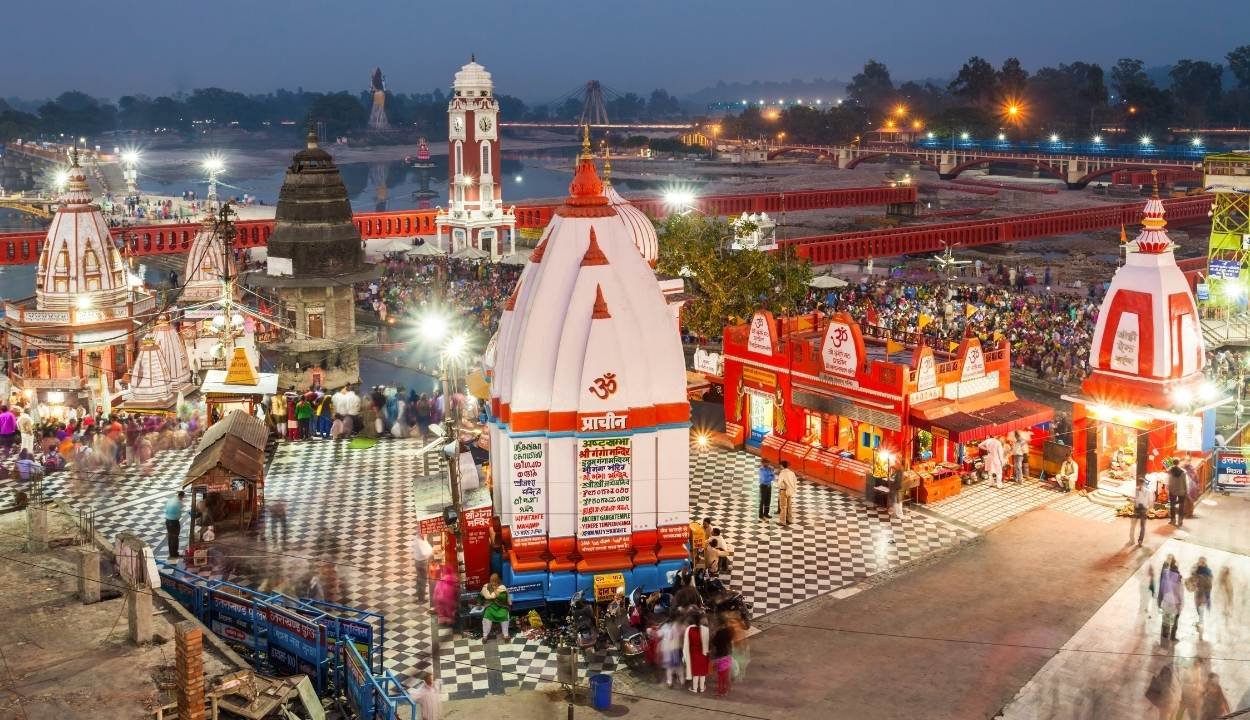
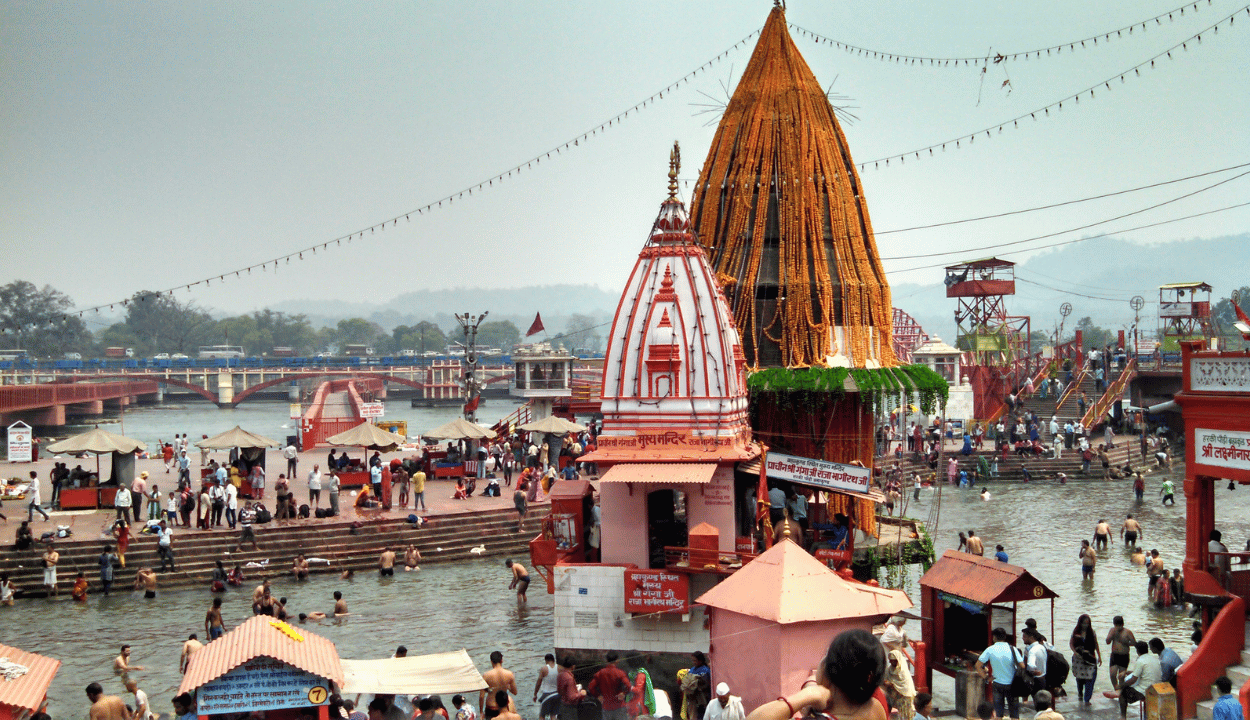
By evening, the atmosphere around Haridwar feels noticeably calmer and more devotional. The sound of temple bells, evening prayers near the Ganga ghats, and the flow of the sacred river create the first real spiritual connection of the yatra.
Highlights
- Long cross-state road expedition
- Transition from Rajasthan to Uttarakhand
- Evening atmosphere near Ganga ghats
- Spiritual beginning of the pilgrimage
Meals & Stay: Dinner and overnight stay in Haridwar
Day 2 : Haridwar → Guptkashi (210 km | 8–9 hrs)
+The second day marks the beginning of the Himalayan phase of the journey. The roads start climbing steadily through the Garhwal region, where the scenery changes dramatically every few hours. Wide highways disappear, valleys become deeper, rivers flow faster, and the air gradually turns colder as altitude increases.
Unlike commercial tourist circuits, the route towards Guptkashi feels raw and connected to nature. Travelers pass through mountain towns, sacred river confluences, and winding roads carved along steep valleys, creating a constant sense of movement deeper into the Himalayas.
By evening, you reach Guptkashi, where the environment already carries the spiritual intensity associated with Kedarnath.
Highlights
- Scenic Garhwal Himalayan drive
- Sacred river valley landscapes
- Entry into high-altitude pilgrimage zone
- Arrival near Kedarnath base
Meals & Stay: Dinner and overnight stay in Guptkashi
Day 3 : Guptkashi → Kedarnath (30 km drive + 18 km trek)
+This is the defining day of the entire yatra. Early in the morning, you proceed towards Gaurikund, the starting point of the Kedarnath trek. Unlike ordinary mountain treks built around adventure tourism, the Kedarnath route feels emotionally charged because every traveler on the path shares the same spiritual goal.
The trail climbs through waterfalls, rocky ascents, glacier-fed streams, mist-covered mountain bends, and rapidly changing weather conditions. Every few kilometers reveal new Himalayan views that make the journey feel intense yet deeply rewarding.
Travelers who prefer a more comfortable option may choose helicopter services or pony and palki arrangements. However, many pilgrims still choose to walk because the physical effort itself becomes an important spiritual element of the pilgrimage.
The first sight of Kedarnath Temple standing beneath massive snow-covered Himalayan peaks creates an atmosphere that feels powerful, silent, and unforgettable.
Highlights
- Kedarnath trek or helicopter option
- High-altitude Himalayan pilgrimage
- Visit Kedarnath Temple
- Snow mountain landscapes and glacier-fed valleys
Meals & Stay: Overnight stay in Kedarnath
Day 4 : Kedarnath → Guptkashi
+The morning atmosphere at Kedarnath feels completely different from the previous day’s climb. Before the crowds grow larger, the temple surroundings become quieter, colder, and spiritually more intimate. Many pilgrims consider the early morning darshan at Kedarnath to be the emotional peak of the entire journey.
After darshan, you begin descending through the same rugged Himalayan route back toward Gaurikund. Unlike the ascent, the return trek often feels emotionally lighter because the pressure of reaching the temple has already been fulfilled.
By evening, you return to Guptkashi for rest and recovery after completing one of India’s most intense Himalayan pilgrimages.
Highlights
- Early morning Kedarnath darshan
- Scenic descent through Himalayan terrain
- Emotional completion of pilgrimage trek
- Rest and recovery at Guptkashi
Meals & Stay: Dinner and overnight stay in Guptkashi
Day 5 : Guptkashi → Jaipur (500+ km | 12–13 hrs)
+The final day becomes a long transition back from the mountains to the plains of North India. As the Himalayan roads slowly disappear behind you, the journey begins feeling more reflective than exciting.
Travelers often spend this return stretch revisiting memories of the trek, the temple atmosphere, the mountain silence, and the physical endurance required throughout the pilgrimage. By the time you return to Jaipur, the yatra feels less like a completed trip and more like a deeply personal Himalayan experience.
Highlights
- Long return journey from Himalayas
- Transition back into plains and highways
- Reflection on spiritual and physical journey
- Completion of Kedarnath pilgrimage
Meals: Breakfast
₹ Price Details
Trip Highlights
- Gangotri Temple Darshan
- Kedarnath Temple Visit
- Badrinath Temple Darshan
- Scenic Himalayan Drives
- Kedarnath Trek Experience
Package Exclusions
- Airfare / train tickets
- Helicopter tickets
- Pony / Palki charges
- VIP darshan fees
- Personal expenses
- Medical expenses
- Anything not mentioned
Package Includes:
- Hotel accommodation
- Breakfast & Dinner
- Private taxi
- Sightseeing
- Driver allowance
- Fuel, toll & parking
- All taxes
❓ Kedarnath Yatra FAQs
Q1. Is this Kedarnath Yatra suitable for travelers with limited vacation time?
−Ans. Yes, this itinerary is specially designed for travelers who want to complete Kedarnath Darshan within a shorter duration without extending into a full Char Dham circuit. It works particularly well for working professionals and travelers looking for a focused spiritual journey.
Q2. How physically demanding is the Kedarnath trek?
+Ans. The Kedarnath trek is considered challenging because of steep gradients, long walking distances, and high-altitude conditions. Weather can also change suddenly during the climb. Travelers should prepare with basic stamina-building exercises before the journey and carry proper trekking footwear.
Q3. Can Kedarnath be visited without trekking?
+Ans. Yes, helicopter services are available from locations such as Phata, Sersi, and Guptkashi depending on weather conditions and seasonal availability. Pony and palki services are also commonly used by senior citizens and travelers requiring additional support.
Q4. What is the biggest challenge during this pilgrimage?
+Ans. The combination of long road journeys and the physically demanding trek makes this pilgrimage intense. Travelers should be mentally prepared for changing weather, mountain travel conditions, and long hours of movement across different terrains.
Q5. Is this route suitable for first-time Himalayan travelers?
+Ans. Yes, although the journey is intense, the itinerary gradually introduces travelers into higher-altitude regions rather than immediately beginning with difficult trekking. This makes the experience more manageable for first-time mountain pilgrims.
Q6. What kind of weather should travelers expect?
+Ans. Weather conditions can vary significantly during the pilgrimage. Haridwar may remain warm, while Kedarnath can become extremely cold, especially during early mornings and nights. Sudden rain, fog, and strong winds are also common in higher Himalayan zones.
Q7. What should travelers carry for this yatra?
+Ans. Travelers should carry warm layered clothing, trekking shoes, rain protection, medicines, gloves, power banks, and essential personal items suitable for mountain conditions. Since weather changes quickly in the Himalayas, proper preparation is extremely important.
Q8. Can this itinerary be customized further?
+Ans. Yes, travelers can customize hotel categories, transport types, helicopter services, meal preferences, and private travel arrangements according to comfort level and budget requirements.
Confirmation Policy
Lorem ipsum dolor sit amet consectetur adipisicing elit. Sit, saepe architecto! Ipsum, voluptatem repellat sequi mollitia explicabo laboriosam at in.
- Kedarnath Temple Darshan
- Spiritual Himalayan Experience
- Scenic Trek to Kedarnath
- Peaceful Environment & Divine Vibes
- Comfortable Taxi Travel
Cancellation Policy
Lorem ipsum dolor sit amet consectetur adipisicing elit. Sit, saepe architecto! Ipsum, voluptatem repellat sequi mollitia explicabo laboriosam at in.
- Kedarnath Temple Darshan
- Spiritual Himalayan Experience
- Scenic Trek to Kedarnath
- Peaceful Environment & Divine Vibes
- Comfortable Taxi Travel
Refund Policy
Lorem ipsum dolor sit amet consectetur adipisicing elit. Sit, saepe architecto! Ipsum, voluptatem repellat sequi mollitia explicabo laboriosam at in.
- Kedarnath Temple Darshan
- Spiritual Himalayan Experience
- Scenic Trek to Kedarnath
- Peaceful Environment & Divine Vibes
- Comfortable Taxi Travel