Hotel

Meals

Transport

Special Itinerary

Sightseeing
Galleary
A Direct Spiritual Route into the Heart of the Himalayas
Jaipur (urban plains) → Haridwar (sacred river gateway) → Guptkashi (mountain base) → Kedarnath (Shiva shrine)
Tour Overview
Extended Himalayan Pilgrimage from Rajasthan to Three Sacred Uttarakhand Dhams
- Start Point : Jaipur
- End Point : Jaipur
- Duration : 09 Nights / 10 Days
- Route : Jaipur → Delhi → Haridwar → Uttarkashi → Gangotri → Guptkashi → Kedarnath → Badrinath → Rudraprayag → Delhi → Jaipur
This Tri Dham Yatra from Jaipur is designed for travelers who want a deeper Himalayan pilgrimage experience beyond standard short-duration temple tours. Instead of simply moving between shrines, this journey gradually unfolds across sacred rivers, remote valleys, glacier-fed mountain regions, and spiritually significant temple towns, creating a route that feels expansive, emotionally layered, and physically immersive.
Unlike the full Char Dham circuit, this itinerary focuses specifically on Gangotri, Kedarnath, and Badrinath, three destinations that together represent very different forms of spiritual experience. Gangotri introduces pilgrims to the raw energy of the Ganga’s Himalayan origin, Kedarnath challenges travelers physically and emotionally through its demanding trek, while Badrinath concludes the pilgrimage with a calmer and more reflective spiritual atmosphere.
The route from Jaipur adds another dimension to the experience because travelers witness a dramatic transition from Rajasthan’s dry plains to the sacred river cities of Uttarakhand and finally into the cold, rugged Himalayan landscape. The pilgrimage therefore feels less like a vacation and more like a long-format spiritual expedition through multiple environments and emotional states.
What Makes This Tri Dham Journey Stand Apart
- Covers three major Himalayan Dhams without overcrowding the itinerary
- Balances physical intensity, spiritual depth, and scenic immersion
- Includes both glacier-region travel and high-altitude temple trekking
- Designed for travelers wanting a longer and more meaningful pilgrimage route
- Creates strong environmental transitions from plains to alpine Himalayas
- Offers a more immersive alternative to rushed multi-destination packages
🚌 Tour Itinerary
Day 1 : Jaipur → Haridwar (500 km | 10–11 hrs)
+Your pilgrimage begins with a long overland journey from Jaipur towards Haridwar. Unlike mountain routes that start abruptly in higher regions, this itinerary allows travelers to gradually disconnect from urban life and move step-by-step toward the spiritual landscape of Uttarakhand.
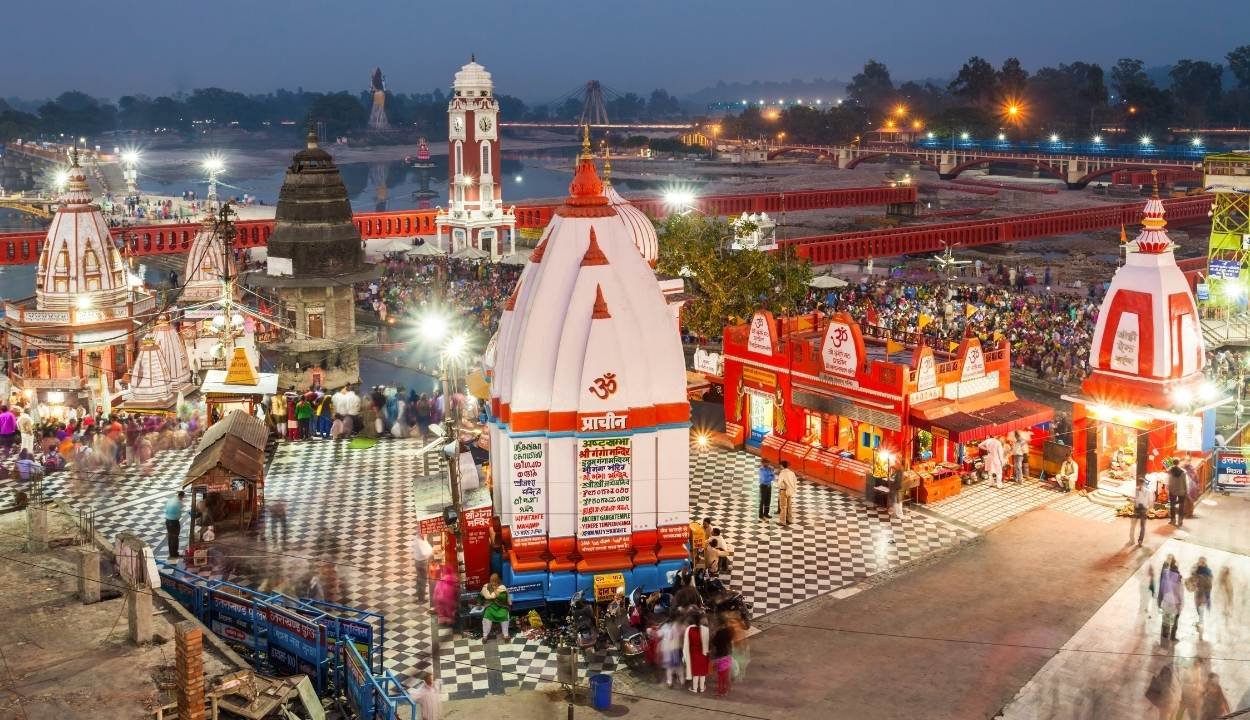
The highways of Rajasthan slowly transition into greener plains and sacred river regions as you approach Haridwar. By evening, the devotional atmosphere near the Ganga ghats creates the first emotional shift of the journey. The sound of evening prayers, temple bells, and flowing river water begins establishing the spiritual tone that continues throughout the pilgrimage.
Highlights
- Long cross-state pilgrimage drive
- Transition from Rajasthan into Uttarakhand
- Spiritual environment of Haridwar
- Evening atmosphere near Ganga ghats
Meals & Stay: Dinner and overnight stay in Haridwar
Day 2 : Haridwar → Uttarkashi (170 km | 7 hrs)
+The second day marks your entry into the Himalayan region. As the roads begin climbing into Garhwal, the surroundings change rapidly from plains into winding valleys, dense forests, and river-carved mountain terrain.
Unlike commercial hill station routes, the drive toward Uttarkashi feels quieter and spiritually grounded. The Bhagirathi River accompanies large portions of the journey, while the mountain environment gradually becomes cooler and more isolated. Uttarkashi itself feels like a traditional Himalayan pilgrimage town rather than a tourist destination, making it an ideal gateway to Gangotri.
Highlights
- Scenic Himalayan entry route
- River valley mountain drive
- Peaceful atmosphere of Uttarkashi
- Arrival in Gangotri region
Meals & Stay: Dinner and overnight stay in Uttarkashi
Day 3 : Uttarkashi → Gangotri → Uttarkashi (200 km | 8 hrs)
+The journey to Gangotri introduces one of the most dramatic landscapes of the entire pilgrimage. The valleys narrow sharply, the mountains become steeper, and the river currents grow more powerful as you move deeper into the upper Himalayan region.
Gangotri Temple stands beside the roaring Bhagirathi River in an environment that feels spiritually intense and visually wild. Unlike temple towns located in broader valleys, Gangotri carries a raw mountain energy because of its remote glacier-fed surroundings. The cold air, fast-flowing river, and towering cliffs create a spiritual atmosphere that feels powerful rather than peaceful.
After darshan, you return to Uttarkashi by evening.
Highlights
- Visit Gangotri Temple
- Experience Bhagirathi River valley
- Dramatic upper Himalayan scenery
- Sacred Ganga origin region
Meals & Stay: Dinner and overnight stay in Uttarkashi
Day 4 : Uttarkashi → Guptkashi (220 km | 9 hrs)
+This becomes one of the longest and most geographically diverse road journeys of the pilgrimage. The route cuts across multiple valleys, river systems, mountain roads, and spiritual regions of Uttarakhand.
Unlike standard transfer days that feel repetitive, this drive continuously changes in terrain and atmosphere. Travelers move through steep mountain roads, sacred confluences, and remote Himalayan settlements while gradually entering the spiritually intense Kedarnath zone.
By the time you reach Guptkashi, the environment feels noticeably colder, quieter, and more focused around pilgrimage movement.
Highlights
- Long Himalayan expedition-style drive
- Sacred river confluence views
- Diverse mountain terrain transitions
- Arrival near Kedarnath region
Meals & Stay: Dinner and overnight stay in Guptkashi
Day 5 : Guptkashi → Kedarnath (Trek Day)
+This is the most physically and emotionally intense day of the entire Tri Dham journey. Early in the morning, you travel toward Gaurikund and begin the trek to Kedarnath through steep Himalayan terrain.
Unlike scenic leisure treks, the Kedarnath route feels purposeful and emotionally charged. Every section of the trail passes through waterfalls, rocky ascents, glacier-fed streams, fog-covered bends, and rapidly changing weather conditions that constantly test physical endurance.
Travelers may choose helicopter services or pony and palki arrangements, but many pilgrims still complete the route on foot because the physical effort itself becomes part of the spiritual experience.
The first view of Kedarnath Temple beneath massive snow-covered peaks often becomes the defining memory of the entire pilgrimage.
Highlights
- Kedarnath trek or helicopter option
- High-altitude Shiva pilgrimage
- Dramatic glacier-region landscapes
- Visit Kedarnath Temple
Meals & Stay: Overnight stay in Kedarnath
Day 6 : Kedarnath → Guptkashi
+The return from Kedarnath carries a very different emotional energy compared to the ascent. The pressure of reaching the shrine disappears, allowing pilgrims to experience the mountain surroundings with greater calmness and reflection.
Early morning darshan at Kedarnath feels especially powerful because the temple atmosphere becomes quieter before daytime crowds increase. After descending through the rugged Himalayan route, you return to Guptkashi for rest and physical recovery.
Highlights
- Early morning Kedarnath darshan
- Scenic Himalayan descent
- Emotional completion of trek
- Recovery-oriented evening
Meals & Stay: Dinner and overnight stay in Guptkashi
Day 7 : Guptkashi → Badrinath (190 km | 8 hrs)
+After the rugged terrain and physical intensity of Kedarnath, the route toward Badrinath introduces a noticeably calmer Himalayan atmosphere. The valleys feel broader, the roads more open, and the environment more serene.
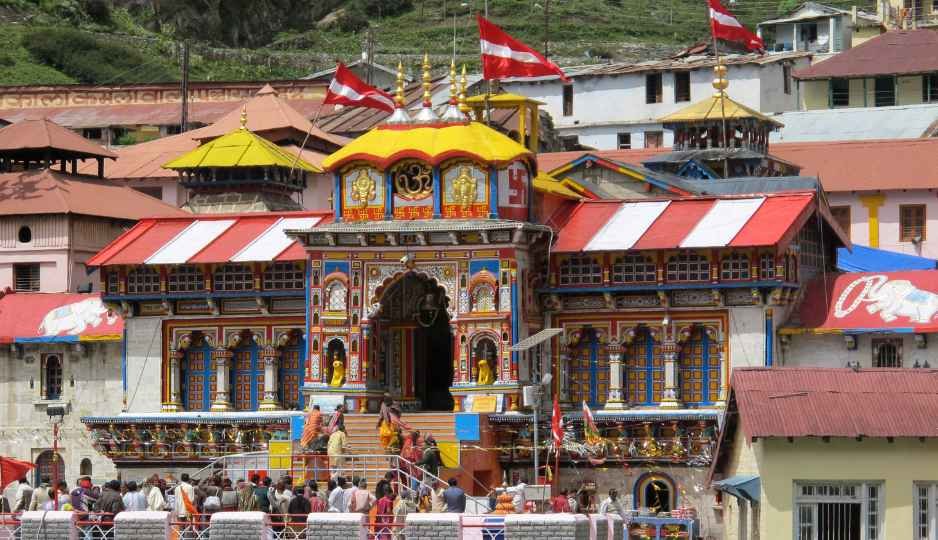
Upon arrival, pilgrims visit Badrinath Temple dedicated to Lord Vishnu and may also experience Tapt Kund, the natural hot water spring near the temple. Compared to Kedarnath’s raw mountain energy, Badrinath creates a softer and more reflective spiritual mood.
Highlights
- Scenic drive via Joshimath
- Visit Badrinath Temple
- Experience Tapt Kund
- Peaceful alpine mountain environment
Meals & Stay: Dinner and overnight stay in Badrinath
Day 8 : Badrinath → Rudraprayag (160 km | 6 hrs)
+This segment feels calmer and slower compared to the intense earlier phases of the yatra. The descent toward Rudraprayag allows travelers to gradually process the physical and spiritual experiences accumulated across the journey.
Rudraprayag itself carries strong religious significance because of the confluence of the Alaknanda and Mandakini rivers. The surrounding mountain scenery and slower pace make this an ideal recovery-focused travel day.
Highlights
- Morning Badrinath darshan
- Scenic Himalayan descent
- Visit Rudraprayag confluence
- Relaxed mountain travel experience
Meals & Stay: Dinner and overnight stay in Rudraprayag
Day 9 : Rudraprayag → Delhi (350 km | 10 hrs)
+The route now gradually leaves the Himalayan region behind and reconnects with the plains of North India. Mountain roads slowly transition into larger highways as the journey moves toward Delhi.
Unlike the excitement of earlier days, this stretch often feels deeply reflective. Travelers usually spend the drive revisiting memories of Gangotri’s river valleys, Kedarnath’s demanding trek, and Badrinath’s peaceful mountain atmosphere.
Highlights
- Final Himalayan road journey
- Transition back toward plains
- Reflection on pilgrimage experiences
- Arrival in Delhi
Meals & Stay: Dinner and overnight stay in Delhi
Day 10 : Delhi → Jaipur (280 km | 5–6 hrs)
+The final day completes the return journey to Jaipur. After crossing river valleys, remote Himalayan roads, glacier regions, and sacred shrines, the arrival back in Rajasthan feels emotionally different from the departure.
The pilgrimage concludes not just as a completed travel route, but as a deeply immersive spiritual and physical journey through some of India’s most sacred mountain landscapes.
Highlights
- Return to Jaipur
- Completion of Tri Dham pilgrimage
- End of Himalayan spiritual expedition
Meals: Breakfast
₹ Price Details
Trip Highlights
- Gangotri Temple Darshan
- Kedarnath Temple Visit
- Badrinath Temple Darshan
- Scenic Himalayan Drives
- Kedarnath Trek Experience
Package Exclusions
- Airfare / train tickets
- Helicopter tickets
- Pony / Palki charges
- VIP darshan fees
- Personal expenses
- Medical expenses
- Anything not mentioned
Package Includes:
- Hotel accommodation
- Breakfast & Dinner
- Private taxi
- Sightseeing
- Driver allowance
- Fuel, toll & parking
- All taxes
❓ Tri Dham Yatra FAQs
Q1. Why do many travelers choose Tri Dham instead of full Char Dham?
−Ans. Many pilgrims choose Tri Dham routes because they offer a more balanced combination of spiritual depth and manageable duration. Excluding Yamunotri reduces overall travel fatigue while still covering three of Uttarakhand’s most spiritually significant Himalayan shrines.
Q2. Which destination feels the most physically challenging?
+Ans. Kedarnath is unquestionably the toughest part of the journey because of the long trek, steep gradients, and high-altitude conditions. Travelers should prepare physically in advance and carry proper trekking gear for safety and comfort.
Q3. Which Dham has the most dramatic scenery?
+Ans. Gangotri is often considered the most visually dramatic because of its narrow glacier-fed valleys, steep cliffs, and powerful river landscapes. The environment feels much wilder and more remote compared to many other pilgrimage towns.
Q4. Is helicopter access available during this pilgrimage?
+Ans. Yes, helicopter services are commonly available for Kedarnath from locations such as Phata, Guptkashi, and Sersi depending on weather conditions and seasonal operations.
Q5. Is this itinerary suitable for senior citizens?
+Ans. Yes, many senior citizens undertake this pilgrimage successfully each year, especially by using helicopter options for Kedarnath. However, medical consultation before travel is strongly recommended due to long road journeys and changing weather conditions.
Q6. What kind of weather should travelers expect?
+Ans. Travelers should expect major weather variation throughout the route. Lower regions may remain warm, while Gangotri and Kedarnath can become extremely cold, windy, and unpredictable, especially during mornings and evenings.
Q7. What should pilgrims pack for this journey?
+Ans. Travelers should carry warm layered clothing, trekking shoes, rain protection, medicines, gloves, thermal wear, power banks, and essential personal items suitable for extended Himalayan travel.
Q8. Can this itinerary be customized further?
+Ans. Yes, the itinerary can be customized with upgraded hotels, helicopter services, private transport, additional rest days, and meal preferences according to travel style and budget.
Confirmation Policy
Lorem ipsum dolor sit amet consectetur adipisicing elit. Sit, saepe architecto! Ipsum, voluptatem repellat sequi mollitia explicabo laboriosam at in.
- Kedarnath Temple Darshan
- Spiritual Himalayan Experience
- Scenic Trek to Kedarnath
- Peaceful Environment & Divine Vibes
- Comfortable Taxi Travel
Cancellation Policy
Lorem ipsum dolor sit amet consectetur adipisicing elit. Sit, saepe architecto! Ipsum, voluptatem repellat sequi mollitia explicabo laboriosam at in.
- Kedarnath Temple Darshan
- Spiritual Himalayan Experience
- Scenic Trek to Kedarnath
- Peaceful Environment & Divine Vibes
- Comfortable Taxi Travel
Refund Policy
Lorem ipsum dolor sit amet consectetur adipisicing elit. Sit, saepe architecto! Ipsum, voluptatem repellat sequi mollitia explicabo laboriosam at in.
- Kedarnath Temple Darshan
- Spiritual Himalayan Experience
- Scenic Trek to Kedarnath
- Peaceful Environment & Divine Vibes
- Comfortable Taxi Travel